Longevity Insights
Evidence-based perspectives on longevity medicine, healthspan, and the everyday systems that shape how well you live. Short enough to use, serious enough to trust, and always connected to a physician-led view.
The Maximum Letter · Newsletter
Sign up for The Maximum Letter.
Medical perspective, research signals, and practical guidance for people who want more good years — without the wellness noise.
Filter Articles
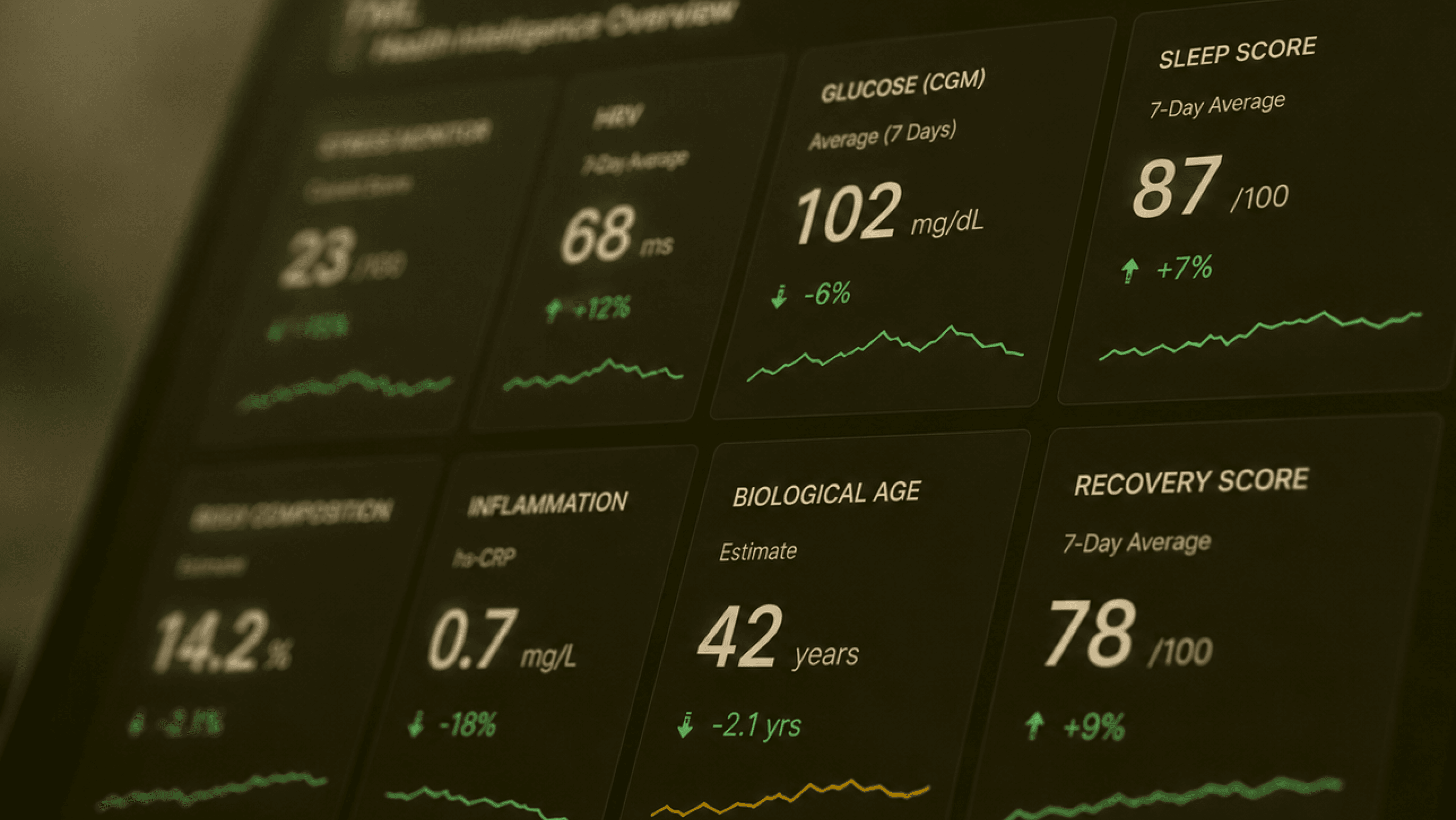

Why Continuity Matters in Longevity Care
Longevity care works over time. Continuity keeps daily choices, changing biomarkers, and the fundamentals connected to a coherent physician-led strategy.
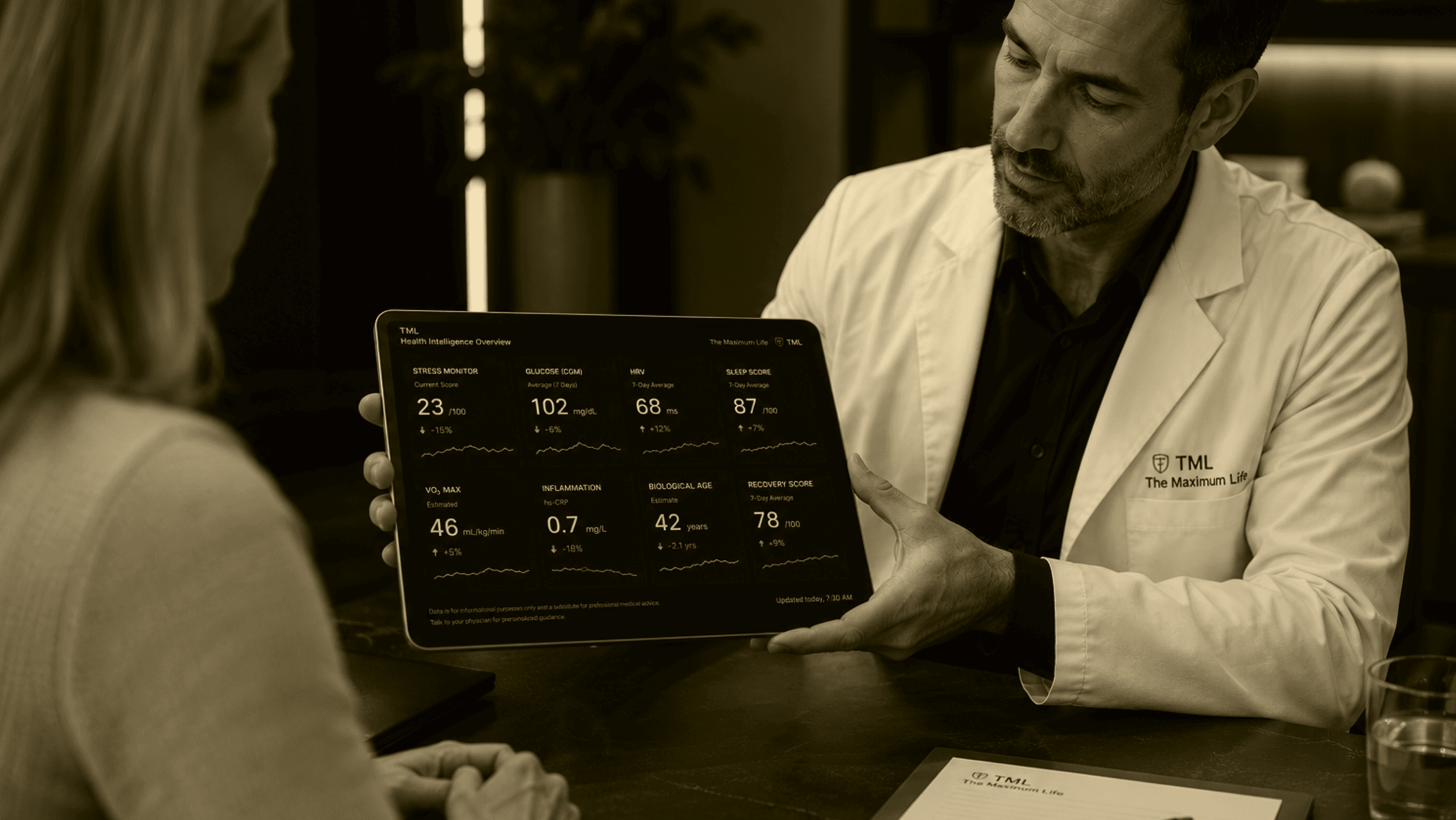
What Is Health Intelligence?
Health intelligence is more than collecting health data. It organizes the right signals into a clinically meaningful picture of risk, progress, and what should change next.

Why Physician-Led Interpretation Matters
More testing does not automatically create better care. Physician-led interpretation helps distinguish signal from noise, place results in context, and decide what should change next.

Physician-Led Longevity and the Rise of Health Intelligence
Longevity care depends on more than collecting data. It requires physician-led interpretation, continuity, strong daily foundations, and support that turns insight into action over time.

MAX: The AI Health Companion
A strong health plan should not disappear after an appointment. MAX helps keep care active between visits by supporting questions, reminders, data context, and daily follow-through within the TML member experience.

Menopause, Hormone Therapy, and Longevity
Menopause affects sleep, mood, metabolism, bone strength, body composition, brain function, cardiovascular health, and quality of life. Hormone therapy is not a one-size-fits-all answer, but it belongs in a serious, personalized longevity conversation.

The Smarter Way to Fly
Flying can disrupt circadian rhythm, hydration, movement, sleep, and metabolic routines. A few small, strategic choices can help you land clearer, sleep better, and recover faster.
Hormesis: Why the Right Kind of Stress Can Support Longevity
Hormesis is the idea that small doses of challenge can make the body more resilient. Exercise, heat, cold, and fasting may all work partly through this principle — but only when the dose matches the person and recovery is protected.
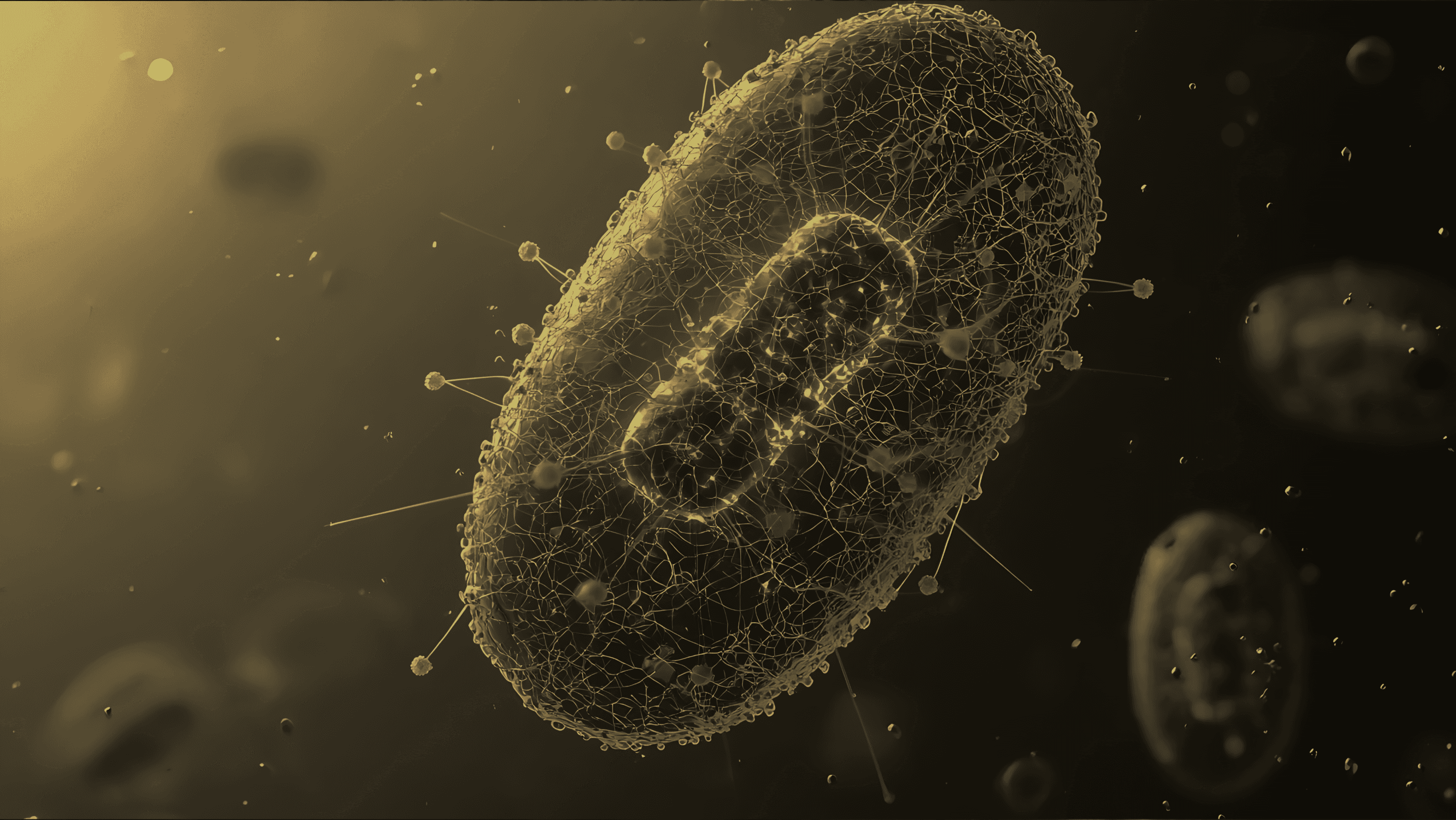
Mitochondria and Longevity: Why Cellular Energy Matters as We Age
Mitochondria are often described as cellular power plants, but for longevity they are more than energy producers. They sit at the center of metabolism, inflammation, brain function, muscle health, and resilience. Here is how to think about mitochondrial health without turning it into supplement hype.

Sleep Is When the Brain Does Its Repair Work
Good sleep supports far more than next-day energy. It helps regulate metabolism, inflammation, hormones, memory, and the brain’s nightly housekeeping systems. Here is why sleep belongs at the center of any serious longevity plan.
How Your Cells Clean Up and Repair
Autophagy is your cells’ cleanup and recycling system. Fasting, spermidine, and mTOR-related therapies may all influence this repair biology, but the right approach depends on your body, your goals, and careful clinical guidance.
Showing 1-12 of 29 articles