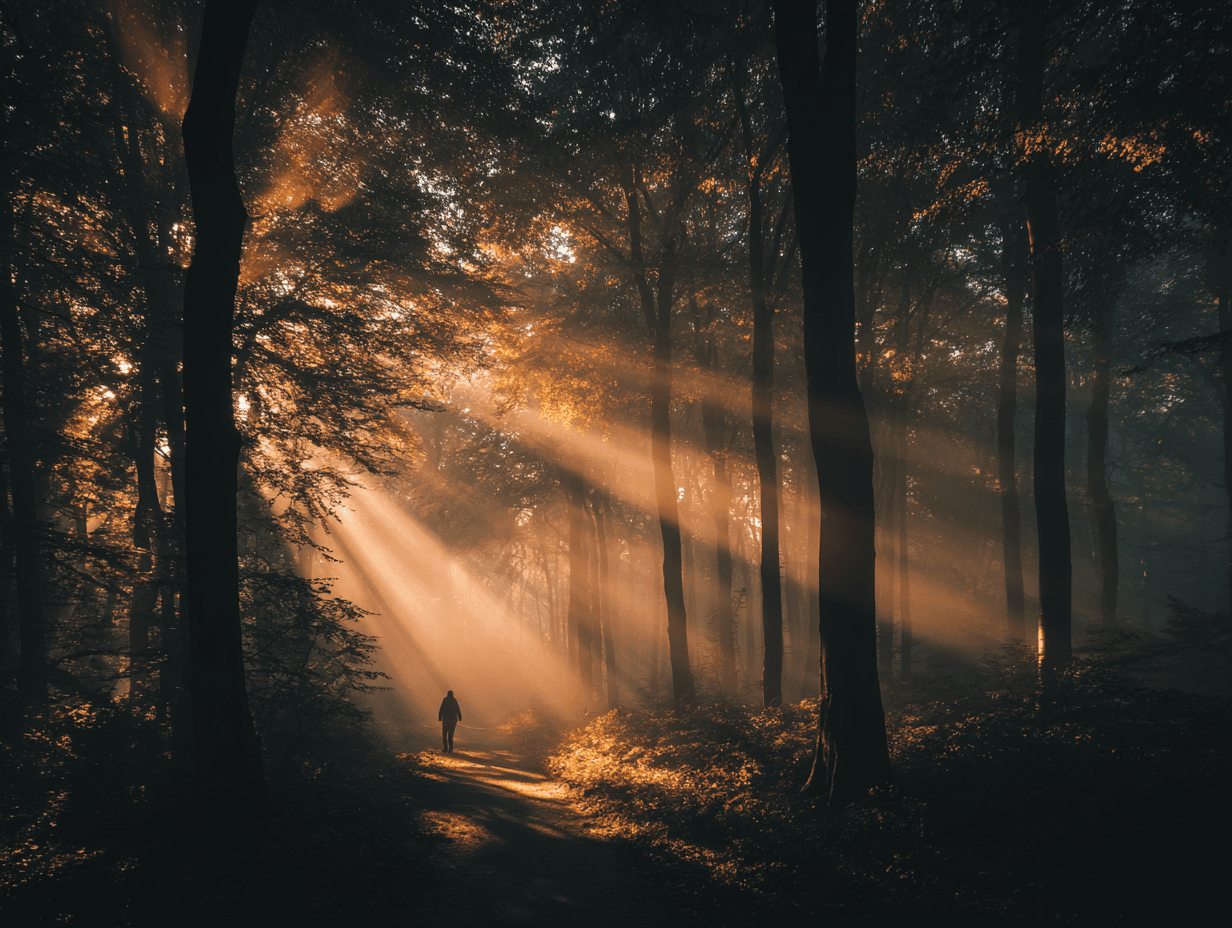
How much time do you spend outdoors each week? If you're like most people, probably less than you think, and less than your body needs.
A landmark 2019 study published in Scientific Reports analyzed data from nearly 20,000 adults in England and discovered a clear threshold: spending at least 120 minutes per week in natural environments (parks, forests, beaches, countryside) is associated with significantly greater odds of reporting good health and high wellbeing.
Below that threshold? The benefits largely disappear.
The Science Behind the Two-Hour Rule
The study, part of the UK's Monitor of Engagement with the Natural Environment survey, controlled for factors like neighborhood greenspace, physical activity levels, age, health status, and socioeconomic background. Even after these adjustments, the 120-minute threshold held firm.
Key Findings
-
The threshold effect: Spending 1-119 minutes in nature per week showed no significant health improvement over zero exposure. Benefits only became significant at 120 minutes or more.
-
Comparable to major health factors: The association between 120+ minutes of nature exposure and good health was similar in magnitude to the association between good health and living in a low-deprivation area, meeting physical activity guidelines, or having a high-status occupation.
-
Flexibility in how you get there: Whether through one long visit or several shorter ones, the total weekly time was what mattered, not the pattern of visits.
-
Universal benefits: The pattern held across age groups, health conditions, and socioeconomic backgrounds. People with long-term health issues or disabilities showed the same benefit pattern.
-
Optimal range: Benefits peaked somewhere between 200-300 minutes per week, with diminishing returns beyond that point.
Why Nature Matters for Health
The biological mechanisms are still being studied, but likely pathways include:
Stress Reduction
Natural environments trigger parasympathetic nervous system activation, the "rest and digest" response. Studies show that time in nature reduces cortisol levels, lowers blood pressure, and decreases heart rate variability markers of stress.
Attention Restoration
The theory of attention restoration suggests that natural environments allow our directed attention mechanisms to rest while engaging involuntary attention, essentially a reset for cognitive function.
Physical Activity
While the study controlled for physical activity, time in nature often involves walking, hiking, or other movement that compounds the benefits.
Air Quality and Microbiome
Natural environments typically have cleaner air and expose us to diverse microorganisms that may support immune function.
Light Exposure
Outdoor time provides natural light exposure important for circadian rhythm regulation and vitamin D synthesis.
How to Get Your Two Hours
Two hours per week is roughly 17 minutes per day, highly achievable for most people. Here are practical strategies:
Daily Doses
- Morning walk in a nearby park: 15-20 minutes
- Lunch break outside: 10-15 minutes
- Evening stroll: 15-20 minutes
Weekend Immersion
- One longer nature outing per week: 90-120 minutes
- A hike, beach visit, or park exploration on Saturday or Sunday can cover most of your weekly quota
Commute Integration
- Walk through a park instead of along busy streets
- Get off transit one stop early near green space
- Park farther away and walk through natural areas
Active Recreation Outdoors
- Golf, tennis, cycling, or running in parks
- Outdoor yoga or exercise classes
- Gardening (though the study excluded personal gardens, similar benefits are likely)
What Counts as "Nature"?
The study defined nature broadly:
- Urban parks and gardens
- Woodlands and forests
- Beaches and coastline
- Countryside and farmland
- Rivers, lakes, and canals
- Mountains and hills
You don't need wilderness. Your local park counts.
Making It Sustainable
The key insight from the study (that total weekly time matters more than visit patterns) offers flexibility. Some weeks you might take daily short walks; others you might do one long weekend hike. Both approaches work.
The goal is consistency over time, not perfection in any given week.
A Prescription Worth Filling
Imagine if your doctor prescribed two hours of nature exposure per week. No pharmacy visit required. No side effects. No cost. Just time spent in environments humans evolved to inhabit.
The research suggests this prescription would be as meaningful for your health as many medications, yet it remains largely unwritten.
At The Maximum Life, we encourage members to view nature exposure not as a luxury or optional recreation but as a fundamental health practice. Your body expects regular contact with natural environments. Denying it that exposure may carry real health costs.
Two hours a week. 120 minutes. 17 minutes a day.
It's not much time. The question is whether you'll choose to spend it where it matters.