Nutrition has become one of the loudest areas in longevity.
One person says to eat more protein. Another says to eat less. One expert recommends low-carb. Another points to Mediterranean-style eating. Someone else is talking about fasting, glucose spikes, supplements, or the newest anti-aging protocol.
For people who are already busy, thoughtful, and trying to make good decisions, the result can be frustrating: more information, less clarity.
The strongest signal in healthy aging nutrition is not that everyone needs the same diet. It is that nutrition works best as a pattern — one that supports muscle, metabolic health, cardiovascular risk, inflammation, gut function, energy, and consistency over time.
At TML, we do not think of nutrition as a trend to follow. We think of it as one of the Six Foundations: a daily system that should be understood, personalized, and made executable.
The signal
The research on nutrition and healthy aging does not support one universal longevity diet for everyone.
Instead, several patterns appear again and again:
- Higher-quality, minimally processed foods tend to support better cardiometabolic health.
- Plant-rich dietary patterns are consistently associated with healthier aging outcomes.
- Adequate protein becomes increasingly important with age, especially for preserving muscle and function.
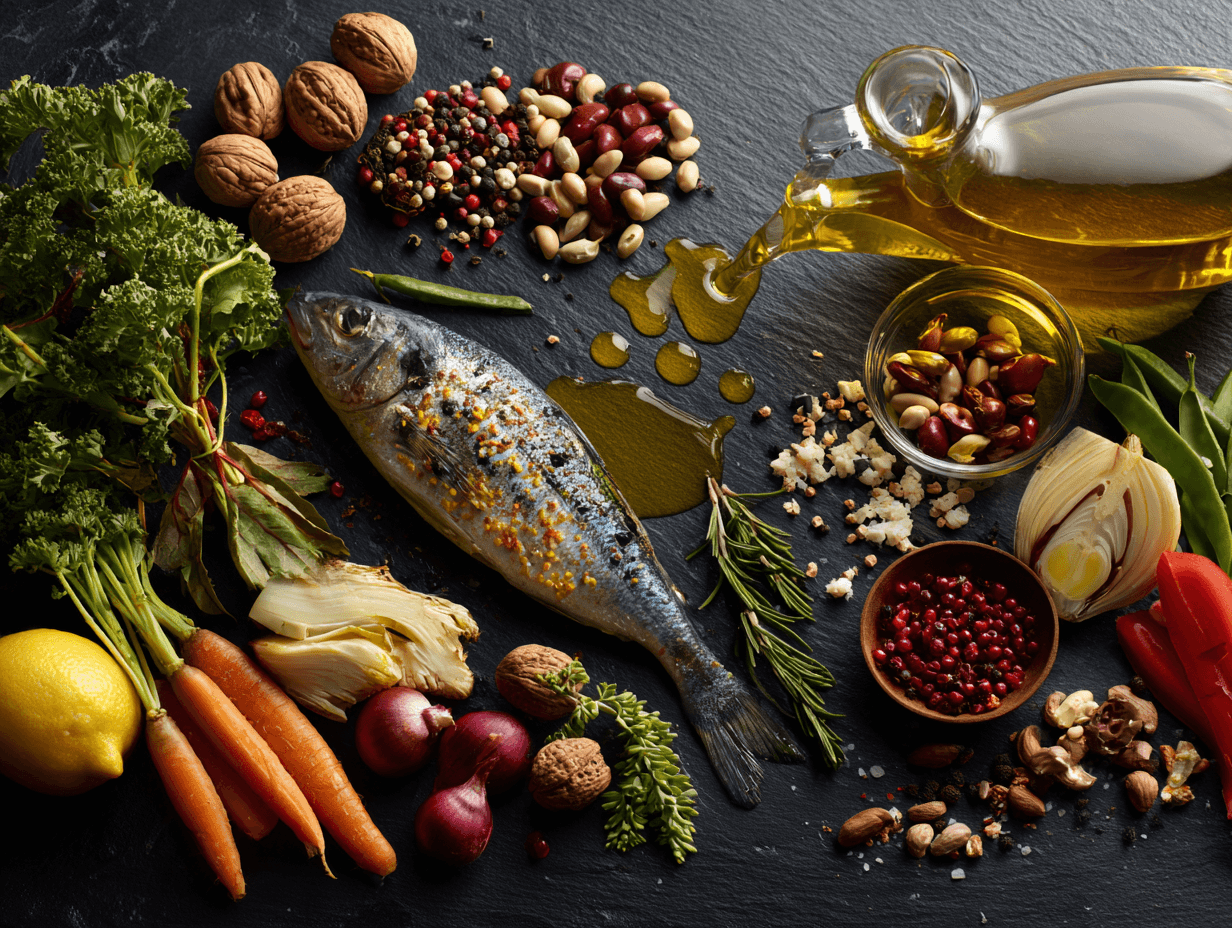
- Healthy fats from sources like olive oil, nuts, seeds, and fatty fish may support cardiovascular and metabolic health.
- Carbohydrate quality matters. Whole-food sources behave differently than refined starches and added sugars.
- Ultra-processed foods are consistently associated with higher risk across multiple health outcomes in observational research.
The best nutrition plan is the one that can be repeated, adapted, and clinically aligned with the person.
A strategy that looks elegant on paper but does not fit your appetite, travel schedule, biomarkers, body composition, medications, training, family life, or preferences is not really a strategy. It is a theory.
Why it matters
Nutrition touches nearly every part of the healthspan conversation.
It influences blood sugar regulation, insulin sensitivity, lipid patterns, blood pressure, inflammation, gut health, body composition, energy stability, and the ability to maintain lean mass. It also shapes how people feel day to day: hunger, mood, cravings, digestion, sleep quality, and afternoon energy.
For healthy aging, one of the most important goals is not simply weight control. It is preserving capacity.
That includes maintaining muscle and strength, supporting metabolic flexibility, reducing cardiometabolic risk where possible, protecting energy and cognitive steadiness, supporting recovery from training and stress, and creating a way of eating that can survive real life.
This is especially relevant for high-demand people. Travel, meetings, family responsibilities, late dinners, alcohol, stress, and inconsistent sleep can all disrupt nutrition patterns. The issue is rarely that someone does not care. It is that the plan has not been designed for the life they are actually living.
The TML lens
At TML, nutrition is not approached as a generic prescription.
It sits inside Decode → Design → Do → Deepen.
Decode: Understand goals, medical history, medications, family history, body composition, labs, wearables, glucose patterns where appropriate, digestion, sleep, training, stress, travel, and current eating habits.
Design: Build the plan around what the data and story show. Someone with low muscle mass, elevated ApoB, insulin resistance, digestive symptoms, or frequent travel may need very different priorities.
Do: Make the plan practical. What does breakfast look like? What happens at restaurants? How do protein targets work on travel days? What should be kept at home? What is the minimum effective version during demanding weeks?
Deepen: Let the plan evolve. Biomarkers, body composition, symptoms, performance, appetite, and adherence all provide feedback.
The goal is not to hand someone a diet and hope they comply. The goal is to help them understand what matters most, sequence the changes, and build a pattern that supports measurable progress over time.
What this does not mean
This does not mean everyone should follow the Mediterranean diet exactly, avoid carbohydrates entirely, eat extremely high protein, fast aggressively, or eliminate every food that has ever been criticized online.
It also does not mean nutrition can replace medical care, medication, or clinically appropriate interventions when those are needed.
Nutrition is powerful, but it is not magic. It is one foundation in a broader system that also includes movement, sleep, recovery and resilience, connection and purpose, inner life practices, and physician-led care.
It is also important not to confuse healthy with restrictive. For many people, overly rigid nutrition plans create stress, social friction, under-fueling, or cycles of compliance and rebound. Those patterns can be counterproductive.
A credible longevity nutrition plan should make someone more capable, not more anxious.
What to do with this
Begin with a few foundational questions.
Are you getting enough protein for your body and goals? Preserving muscle becomes more important with age. Many people benefit from distributing protein across the day rather than leaving it all for dinner.
Are plants present at most meals? Vegetables, legumes, fruit, herbs, and other plant foods bring fiber, polyphenols, micronutrients, and dietary diversity.
Are your carbohydrates working for you? Quality, quantity, timing, and individual response matter.
Are your fats supporting cardiovascular health? Sources such as olive oil, nuts, seeds, avocado, and fatty fish can be useful for many people, though individual lipid patterns and clinical context matter.
How much ultra-processed food has become default? Reducing it does not require purity. It requires noticing where it has replaced real meals.
Does the plan fit your life? A longevity nutrition plan should include travel meals, restaurant strategies, busy-day defaults, home staples, social flexibility, and a realistic approach to alcohol and late eating.
The bottom line
Nutrition for longevity is not a diet. It is a pattern.
The best evidence points toward a way of eating that is nutrient-dense, protein-aware, plant-rich, minimally processed, metabolically supportive, and flexible enough to sustain.
At TML, the goal is not to tell every member to eat the same way. It is to understand the person deeply, design a nutrition strategy around their biology and life, support execution, and refine it over time.